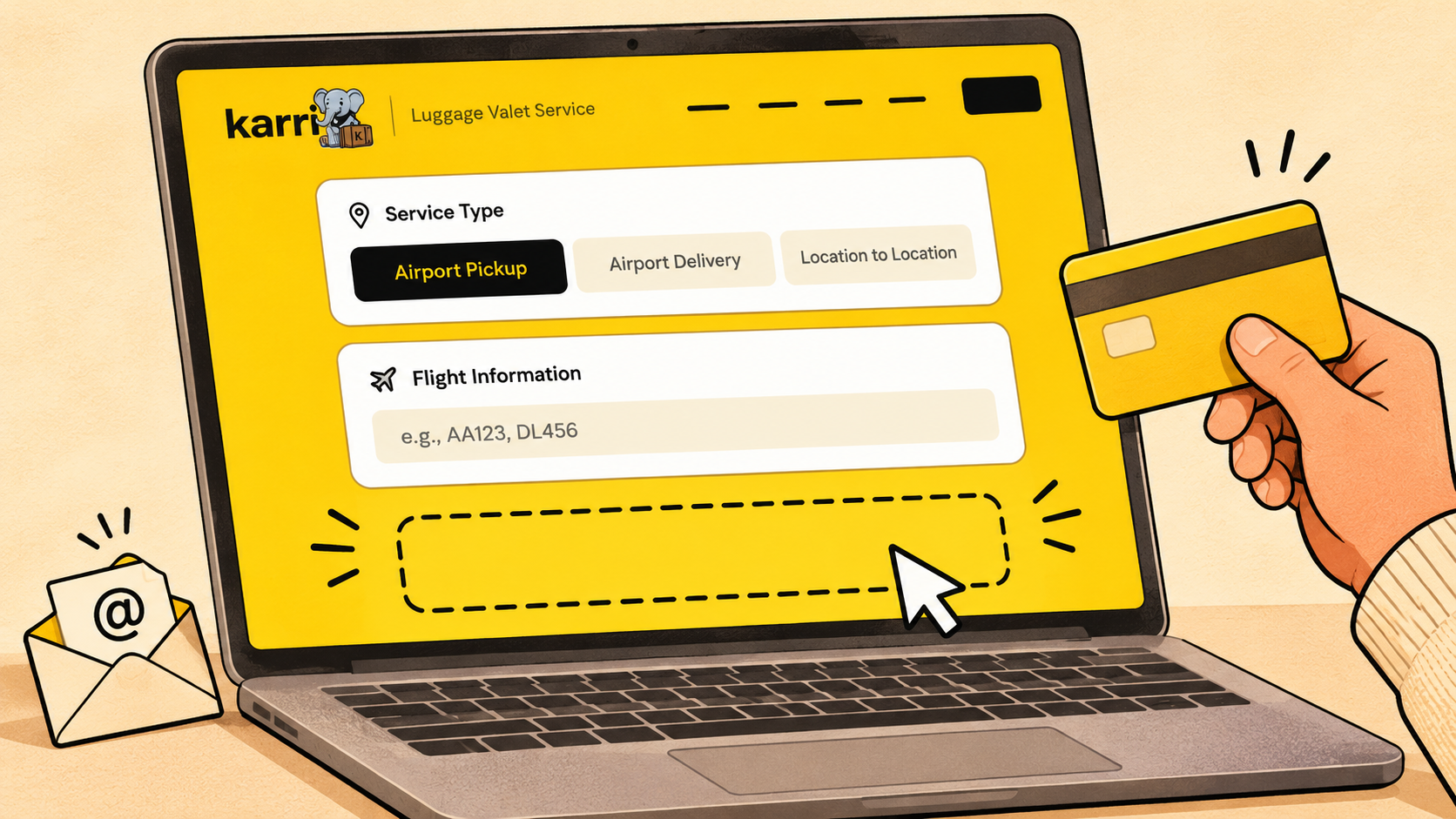
Karri Build #3 · November 25, 2026
My First Customer Couldn't Pay
I hadn’t built checkout yet. I also hadn’t counted on eight bags.
Read the article3 articles
Karri Build #3 · November 25, 2026
I hadn’t built checkout yet. I also hadn’t counted on eight bags.
Read the article
Service Leadership · April 23, 2025
It was 3AM in December when my phone rang. A smoke alarm had gone off in one of my units. No smoke, no fire—but the guests were scared. Outside, Boston was buried in snow. Still, I threw on a jacket and went. Not to silence an alarm. To show up. To reassure. To calm an scared customer. To show that we are on top of everything. And also—to make sure everything really was okay. Because when you’re the one running the business, you’re not just calming guests. You’re also protecting the thing you’ve built. Sometimes, it’s about empathy.Sometimes, it’s about liability.Often, it’s both. When Going the Extra Mile Is the Job In my last post, I wrote about why we should obsess over feedback—not stars. That wasn’t about chasing approval. It was about listening carefully and responding intentionally. This is the next layer: turning that insight into action. Because as the operator, you’re constantly deciding when to go the extra mile—and when to hold the line. The goal isn’t to say yes to everything. It’s to serve in ways that truly matter—both for your guests and for the sustainability of your business. Smart service isn’t reactive. It’s intentional. Not Every Fire Needs to Be Put Out Being a business operator means navigating dozens of small decisions every day. Some issues need your full attention. Others will resolve on their own. The key isn’t how loud the complaint is—it’s what’s at stake. Do I deliver a portable AC unit when it’s 55°F outside?Do I apologize for the sound of footsteps in a hundred-year-old home? Some requests are about comfort. Some are about expectations. But some, like that 3AM smoke alarm, are about safety, trust—and protecting both the guest and your liability. The 3AM Rule (and When I Break It) I rarely show up in the middle of the night. But that night, I did. Not because it was convenient, but because it was the right call. I needed to make sure the space was safe. I needed to visibly demonstrate that we cared. And, just as importantly, I needed to be sure I wasn’t exposing the business to unnecessary risk. That one visit addressed guest anxiety, confirmed the alarm was a false one, ensured all systems were working, and gave me peace of mind. It likely prevented a refund—and earned several extra nights of booking. But I don’t jump at every message. When someone complains about the sound of cooking in a shared kitchen during dinner hours, I listen—but I don’t apologize. That’s part of the experience. And the price reflects it. You don’t get a BMW experience on a Toyota budget. Still reliable. Still great value. Just not the same. So I created a simple mental model to guide my choices: Urgency × Impact × Loyalty Potential = Worth It If the score is high across the board, I act.If not, I pause.That’s not neglect. That’s operating with intention. Thoughtful Service Is Good Business This isn’t a contradiction of what I wrote in Obsess Over Feedback, Not Stars. It’s a continuation. Feedback is signal. Action is strategy. You listen to everything. But you only act when the outcome justifies the effort—whether that means stronger guest loyalty, better reviews, reduced liability, or long-term trust. Every decision passes through two filters: Will this help my revenue—through conversion, retention, reviews, or pricing power? Will this hurt my bottom line—through cost, liability, or time that doesn’t return value? You don’t serve less.You serve smarter. And sometimes, smarter means showing up. Not just to fix the problem, but to take care of the people—and to protect the business. A guest recently left this note: “Thank you so much!! Everything was amazing. Thank you for going above and beyond. That was extremely appreciated.” That’s the result of thoughtful choices—of showing up when it matters, and holding back when it doesn’t. That’s how trust is built.That’s how businesses grow.That’s how you keep going—year after year, call after call. Even at 3AM.
Read the article
Customer Experience · April 12, 2025
Let’s get one thing straight: customer service matters. Always has, always will. I’m not here to argue with that. For years, businesses have been told to delight the customer. “Go the extra mile!”“Make them 110% satisfied!”“If they’re not happy, try again until they are.” And honestly? That’s solid advice. If you mess up, fix it. If you can do better, do better. That’s just good business. But here’s where it gets tricky. You can do everything right—reply to every message in five minutes, upgrade the room, throw in a free snack basket—and still get a 4-star review.Why? Because for some people, 5 stars don’t exist. It’s not personal. It’s just their “nothing is perfect” philosophy.And you know what? That’s okay. So instead of obsessing over stars, obsess over feedback.There’s a difference—and it matters. Let’s Talk Real Talk “The customer is always right.” Sometimes, yes.But sometimes, customers can be unreasonable or manipulative—asking for freebies, pushing for refunds, even throwing around legal threats just to test your boundaries. You know the type. That doesn’t mean you stop caring.It means you stop reacting blindly. You listen. You analyze. And you make smart, informed decisions. Feedback Is Gold. Reviews Are Just Glitter. Feedback is where growth happens. Star ratings? They’re a snapshot. Helpful, but not always the whole picture. Here’s what I mean. I once got this rating: “Great stay, close to the subway. Quiet space, perfect for work-related stay.”—4 stars. Another said: “Overall, it’s a good option considering this area’s overpriced housing market, and I wouldn’t hesitate to book it again.”—Also 4 stars. Now, if I were chasing stars, I’d be tempted to throw in over-the-top amenities.But let’s think about that for a second. Upgrades Cost. And So Do Trade-Offs. Sure, adding more amenities or remodeling might win me an extra star. But that comes with a price—and not just for me. To cover those upgrades, I’d have to raise prices. And now here’s the real question: Will I outprice the very people I built this for? Because maybe 90% of my regular guests don’t quite care about velvet headboards, luxurious hot tubs. They booked because the space is clean, quiet, affordable, and right in the heart of the city. By upgrading unnecessarily, I might be forcing them to pay for things they don’t need—and driving them away in the process. And if I don’t raise prices? Then I take a hit on margins.And the question becomes: Are you still running a healthy business? Or just chasing approval at your own expense? It’s Never Just One Factor That’s the thing. Business decisions are never one-dimensional. You can’t (and shouldn’t) treat every review like an action item on a checklist. Instead, when you get feedback, ask yourself: Is this a must-have or a nice-to-have? What does it cost me to implement this? Will this improve the customer experience and keep my business sustainable? Will this alienate my core audience or stretch my pricing beyond what’s fair? That’s what I mean by “don’t take reviews blindly.”It’s not about being dismissive. It’s about being deliberate. Set Expectations. Deliver Consistently. Be Transparent. Let me be clear: this is not about ignoring your customers.It’s about being honest—with them and with yourself. When something can’t be changed without compromising your mission, your pricing model, or your margins, say that. Be transparent. Most people get it. And the ones who don’t? They were never your target customers to begin with. You don’t have to pretend your product is perfect. You just have to be upfront about what it is—and what it isn’t. That’s how you build trust. Build Smart. Build Honestly. Build to Last. So no, don’t ignore reviews. But don’t build your business around them either. Chase insight—not applause.Obsess over feedback—not stars.And above all, make decisions that serve your customers and your business long-term. That’s how you grow with integrity.That’s how you build something that lasts.
Read the article