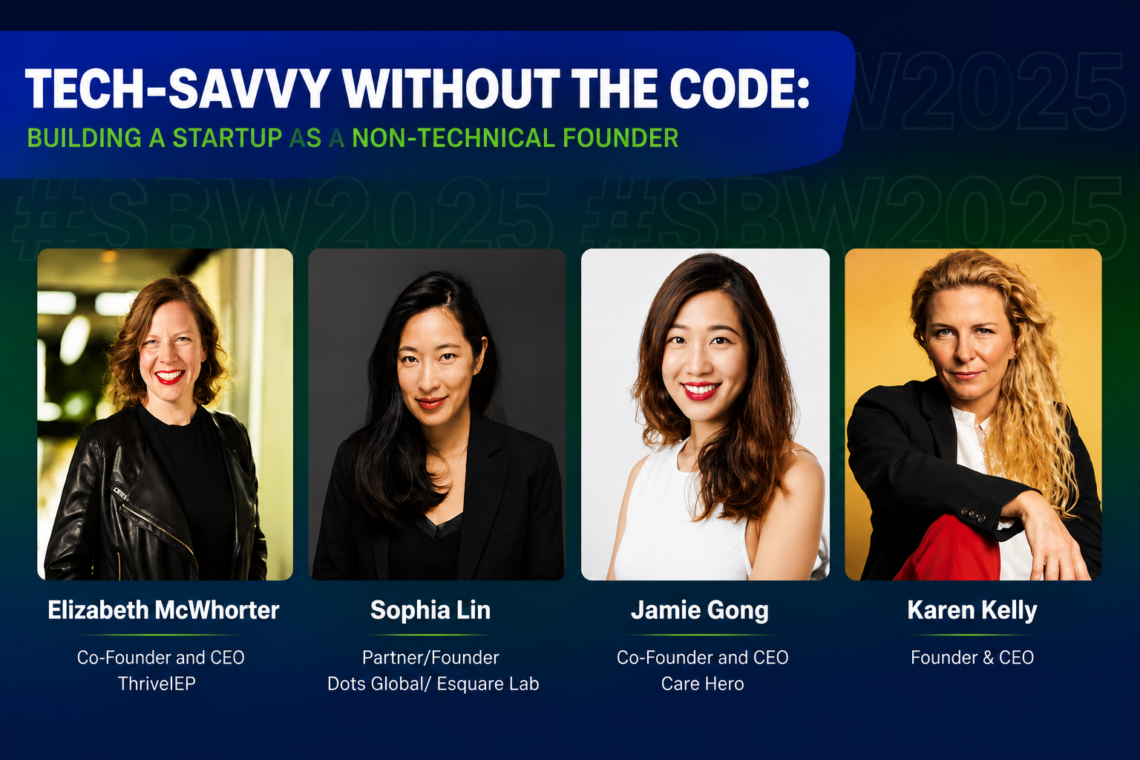
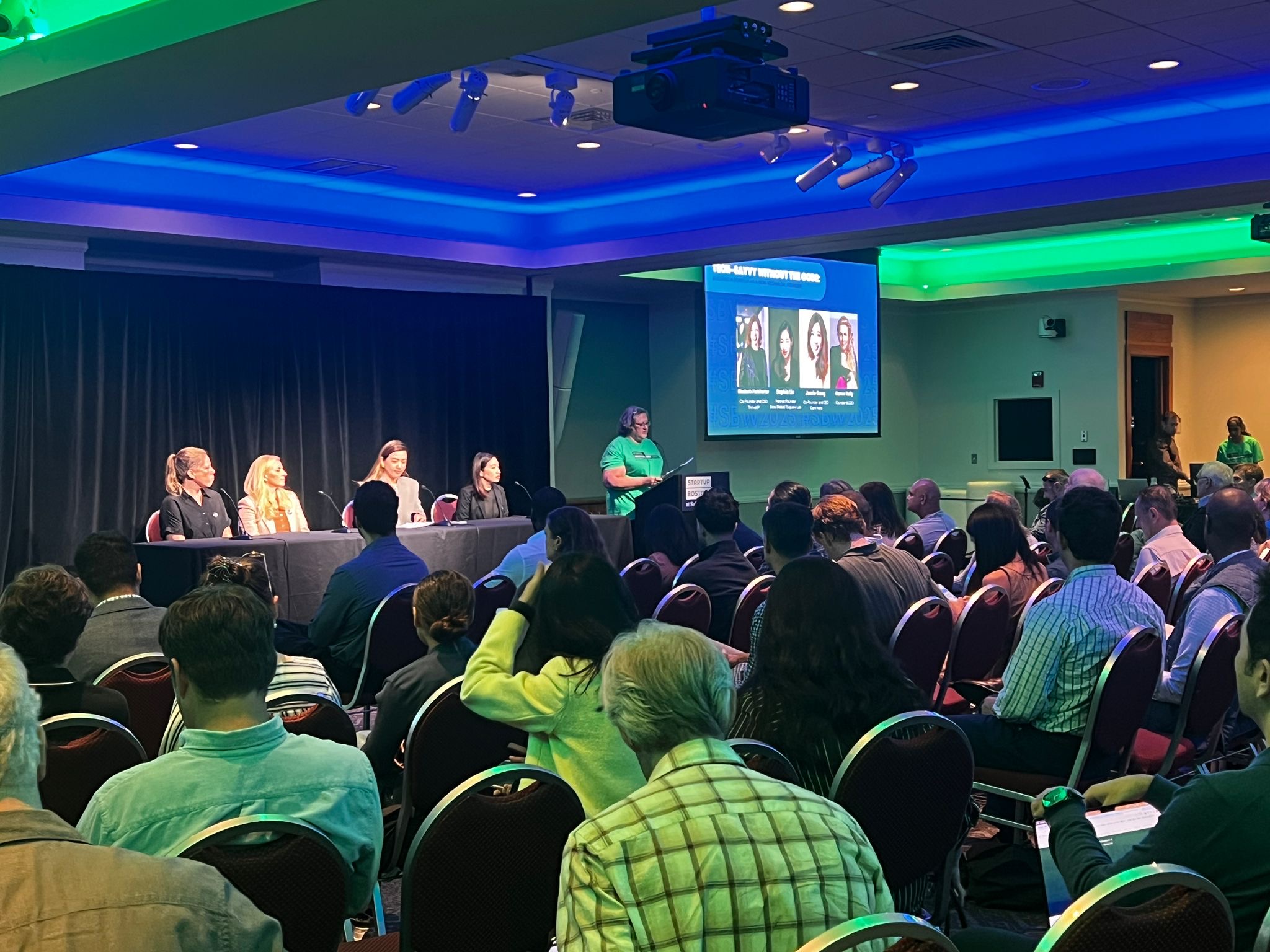
I was honored to join the panel Tech-Savvy Without the Code: Building a Startup as a Non-Technical Founder at Startup Boston Week 2025 (#SBW2025).
We’re living in a fascinating time where almost anyone can build. AI, no-code tools, and automation are rapidly lowering the barriers that once separated technical and non-technical founders.
The question is no longer “Can I build it?” but “What should I build, how do I validate it, and how do I create value for customers?”
As someone who has bootstrapped ventures across hospitality, fintech, and consumer internet, I’ve learned that successful founders don’t need to know every technical detail. What matters is identifying meaningful problems, being resourceful, making good decisions, and assembling the right team to execute.
Technology is becoming more accessible every day. The real advantage isn’t access to tools — it’s knowing how to use them to solve real problems.
Great discussion, great insights, and an exciting time to be building.
Q: When do you need a technical co-founder?
AI tools make it easier to reach MVP without one, but startups are team sports. If your business depends on scaling technology, have the co-founder conversation early. It takes time to find the right partner, and you want them onboard before traction hits.
Q: How do you handle technical debt early on?
Some debt is fine, but ignoring it is deadly. As an investor, I passed on a deal because the documentation was a mess and the codebase couldn’t scale. Handle debt early, or it may cost you investment, partnerships, and acquisitions.
Q: Where should founders be cautious with AI?
AI can’t find product-market fit or paying customers. It’s a tool, not a business model. I’ve seen startups spend months building AI chatbots without validating whether users even wanted them.
Don’t over-engineer. Your job isn’t to build the perfect product — it’s to prove demand as quickly and cheaply as possible.
Q: What strategies help non-technical founders build credibility with investors?
Investors don’t expect you to code — they expect you to be disciplined. Show you can make smart build vs. buy decisions, use resources efficiently, and be transparent about your roadmap. And most importantly, show traction.
Thanks to the Startup Boston Week team and moderator Jamie Gong for keeping the conversation honest and useful. And to the room — the questions were genuinely good. If any of this resonates — or if you disagree — I’d love to hear from you. Get in touch →